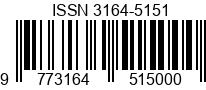
ISSN

Indonesian Journal of Educational Sciences and Research (IJESR) focuses on the study of education, learning, teaching, educational development, and research across various fields of educational sciences. The journal provides a multidisciplinary platform for researchers, educators, academics, practitioners, and policymakers to disseminate research that advances educational knowledge, practices, innovation, and policy.
The scope of the journal includes:
Studies in educational sciences, educational theory, philosophy of education, sociology of education, psychology of education, educational foundations, curriculum studies, educational policy, and contemporary issues in education.
Research on teaching and learning processes, instructional strategies, classroom practices, learning models, pedagogical approaches, assessment and evaluation, student engagement, learning outcomes, and innovations in teaching and learning.
Studies concerning curriculum development, curriculum implementation, instructional design, competency-based education, curriculum evaluation, learning materials, lesson planning, and curriculum innovation at various levels of education.
Research on educational technology, digital education, e-learning, blended learning, online learning, learning management systems, digital learning resources, educational applications, artificial intelligence in education, and technology-enhanced teaching and learning.
Studies related to educational psychology, cognitive and affective development, motivation, learning behavior, student well-being, learning difficulties, intelligence, creativity, social-emotional development, and individual differences in education.
Research on teacher education, teacher competencies, pedagogical knowledge, professional development, teacher training, teacher performance, teacher leadership, reflective teaching, and challenges in the teaching profession.
Studies of educational assessment, learning evaluation, measurement, testing, assessment instruments, formative and summative assessment, authentic assessment, competency assessment, program evaluation, and evaluation of educational outcomes.
Research concerning educational management, school and institutional leadership, educational administration, quality assurance, educational governance, strategic management, educational policy, school improvement, and institutional development.
Studies related to inclusive education, special education, multicultural education, diversity, equity and access to education, educational services for learners with special needs, and inclusive learning environments.
Research in language education, literacy, science education, mathematics education, social studies education, and other subject-specific educational fields, including pedagogical approaches, curriculum development, learning strategies, assessment, and instructional innovation.
Studies concerning higher education, university teaching and learning, academic development, student learning, higher education management, lifelong learning, adult education, continuing education, and educational transformation.
Research on educational research methodologies, action research, classroom research, educational innovation, evidence-based educational practices, research-based learning, and the development and evaluation of innovative educational approaches.
Indonesian Journal of Educational Sciences and Research (IJESR) welcomes multidisciplinary and interdisciplinary studies that integrate theories, methods, data, or perspectives from two or more areas of educational sciences and related disciplines. Studies from a single educational discipline are also considered when they provide a significant contribution to the advancement of educational theory, practice, research, or policy.
The journal prioritizes research that demonstrates a clear scientific contribution to the development of educational knowledge, improvement of teaching and learning practices, educational innovation, and the advancement of education at local, national, and international levels.
Studies that are primarily focused on non-educational issues without a substantive connection to educational theory, practice, research, policy, or development are outside the primary scope of the journal.
ISSN
SUBMIT ARTICLE

ARTICLE TEMPLATE ENGLISH

ARTICLE TEMPLATE INDONESIA
INFORMATION
VISITOR STATISTICS
Contact us

Tools


Published by: CV. Scholar Edukasi Indonesia
Indonesian Journal of Educational Sciences and Research (IJESR)
Phone : +62 853-6008-2823
Editorial Office of IJESR:
Gampong Cadek, Desa/Kelurahan Cadek, Kec. Baitussalam, Kab. Aceh Besar, Propinsi Aceh. Kode pos: 23373, Indonesia
Email : cvscedui@gmail.com
This work is licensed under a